
Tag: Activities

Strengthening Relationship with Children
News and Updates

Building a Strong Parent-Child Relationship

The Foundation for a Child’s Future

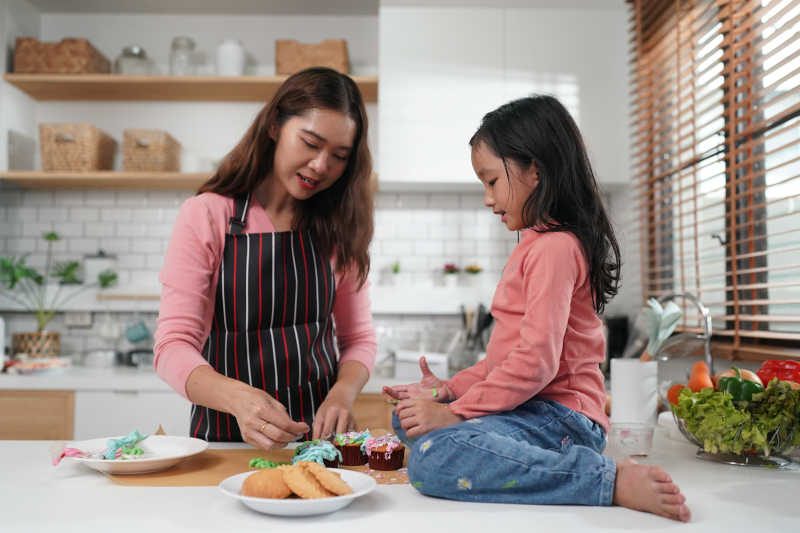
The relationship between a child and their parent or primary caregiver is one of the most important relationships they will ever have. Long before children learn about friendship, teamwork, romance, or trust, they learn these concepts through their interactions with the adults who care for them.

A strong parent-child bond gives children a sense of security, confidence, and belonging. It teaches them that they are valued, protected, and loved. This foundation influences nearly every aspect of their lives, including their emotional well-being, self-esteem, behavior, and future relationships.

Children naturally look to their parents for guidance as they grow and experience new challenges. They want to know they have a safe place to return to when life feels overwhelming. When children feel connected to their parents, they are more likely to communicate openly, make healthier choices, and develop resilience when facing adversity.

Building a strong relationship with your child doesn’t require perfection. There is no secret formula, and every family will encounter challenges along the way. What matters most is consistently showing up, being present, and making your relationship with your child a priority. When you invest time and effort into that connection, your child gains a foundation that can support them for a lifetime.

Here are several positive parenting strategies that can help strengthen the bond between you and your child.

Show Your Love Every Day

Human connection is a basic emotional need. From infancy through adulthood, affection plays a critical role in healthy emotional and neurological development.

Children thrive when they feel loved, accepted, and valued. Simple acts of affection such as hugs, a pat on the back, holding hands, or sitting close together can have a powerful impact. These moments communicate safety and reassurance in ways that words alone often cannot.

Look for opportunities throughout the day to connect with your child. Offer a warm smile when they enter the room, greet them enthusiastically after school, make eye contact during conversations, and celebrate their accomplishments—both big and small.

Never underestimate the power of a loving connection.

Say “I Love You” Often

Many parents assume their children already know they are loved. While that may be true, children still need to hear the words.

A simple “I love you” can provide comfort, reassurance, and emotional security. This is especially important during difficult moments when emotions are running high.

When your child makes a mistake, struggles in school, or displays challenging behavior, remind them that your love is not conditional. Let them know that while certain behaviors may need correction, your love for them never changes.

Hearing those three simple words regularly helps children develop confidence and strengthens the trust they have in their relationship with you.

Create Structure and Consistent Boundaries

Children feel safer when they understand what is expected of them. Clear rules, routines, and boundaries help them navigate the world with confidence.

Establish age-appropriate expectations and communicate them clearly. Explain why certain rules exist rather than simply demanding obedience. When children understand the purpose behind boundaries, they are more likely to respect them.

Consistency is equally important. When rules are broken, consequences should be fair, reasonable, and predictable. Consistent parenting helps children understand accountability while also creating an environment where they know what to expect.

Remember, boundaries are not barriers to connection. In many cases, they actually strengthen the parent-child relationship because they create security and trust.

Listen with Empathy

One of the greatest gifts you can give your child is your full attention.

Children want to feel heard. When they share their thoughts, concerns, fears, or excitement, listen without immediately interrupting, correcting, or offering solutions.

Try to understand what they are experiencing from their perspective. What may seem insignificant to an adult can feel overwhelming to a child or teenager.

You can strengthen communication by saying things like:

  • “That sounds really frustrating.”
  • “I can see why you’re upset.”
  • “Tell me more about what happened.”
  • “How can I help?”

When children feel understood, they are more likely to trust their parents and seek guidance during difficult times.

Make Time for Play

Play is much more than entertainment. It is one of the primary ways children learn about themselves and the world around them.

Through play, children develop creativity, communication skills, emotional awareness, problem-solving abilities, and social confidence. It also provides a wonderful opportunity for parents to connect with their children.

The activity itself is not nearly as important as your participation. Whether you’re building with blocks, playing catch, coloring, dancing in the living room, playing video games, or having a tea party with stuffed animals, your child values your involvement.

For children, quality time often looks like playtime.

Be Fully Present

In today’s fast-paced world, distractions are everywhere. Phones, emails, social media, television, and work responsibilities can easily consume our attention.

However, children notice when they have your undivided focus.

Even ten to fifteen minutes of uninterrupted one-on-one attention each day can make a meaningful difference. Put away your phone, turn off the television, and focus entirely on your child.

Ask questions. Listen carefully. Share stories. Laugh together.

These small moments accumulate over time and help build a lasting emotional connection.

Share Meals Together

Family meals provide a valuable opportunity for conversation, connection, and relationship-building.

When families regularly eat together, children often feel more connected and supported. Mealtime creates a natural setting for discussing daily experiences, celebrating successes, and working through challenges.

Encourage everyone to put away phones and electronic devices during meals so the focus remains on family interaction.

These gatherings don’t have to be elaborate. Whether it’s breakfast before school or dinner after work, spending time together around the table can become a meaningful family tradition.

Create Special Parent-Child Traditions

Every child wants to feel important and valued as an individual.

If you have multiple children, finding opportunities for one-on-one time can be especially meaningful. Individual attention helps children feel seen and appreciated while strengthening your unique relationship with them.

Consider creating special traditions that belong only to the two of you. These might include:

  • Weekly walks together
  • Saturday morning breakfast dates
  • Movie nights at home
  • Trips to the park
  • Reading a favorite book together
  • Working on a shared hobby

These rituals often become cherished memories that children carry with them long into adulthood.

Remember: Connection Matters More Than Perfection

No parent gets it right all the time. There will be mistakes, misunderstandings, and difficult days. What matters most is not being perfect—it’s being consistent, caring, and committed to the relationship.

Children don’t need perfect parents. They need parents who love them, listen to them, guide them, and continue showing up even when things are difficult.

The investment you make in your relationship today will influence your child’s confidence, emotional health, and future relationships for years to come.

Need Additional Support?

For more than 30 years, Alpha Connection has been helping children, teenagers, and families throughout the High Desert build stronger relationships and healthier futures. Through a variety of youth and family-focused programs, we provide guidance, support, and resources designed to help families thrive.

If you would like to learn more about our programs and services, we encourage you to contact Alpha Connection today. Together, we can help strengthen the bonds that matter most.


Strengthening Family Connections with Your Teen 10 Strategies
News and Updates

Strengthening Family Connections with Your Teen 10 Strategies

Teenage years can be a difficult time to navigate for both parents and adolescents. Your adolescent will experience a period of transition, self-discovery, and increased independence. However, it is also an essential period to strengthen and preserve familial ties. Establishing a robust rapport with your adolescent is vital for their holistic growth and emotional welfare. Ten techniques for strengthening familial bonds with one’s adolescent will be discussed in this blog post.

1.Active Listening

Active listening is considered to be one of the most efficacious methods of establishing a connection with one’s adolescent. Establish an environment devoid of judgment and secure for them to express their emotions, concerns, and thoughts. Exhibit authentic curiosity towards the viewpoints of others and refrain from hastening to offer guidance or resolutions.

2.Create Momentous Occasions

Identify occasions to invest quality time with your adolescent engaging in pleasurable activities. These shared experiences—cooking a meal, going for a stroll, or participating in a game—can strengthen bonds and create lasting memories.

3.Communicate Openly

Promote transparent and candid communication within your family unit. Instruct your adolescent that they are free to discuss any topic with you without fear of being judged. Despite the fact that you may not concur with their thoughts and emotions, demonstrate patience and understanding when they do so.

4.Establishing Boundaries

In addition to the value of cultivating independence, it is imperative to establish rational boundaries. Effectively convey your expectations and the corresponding repercussions for specific behaviors. Adhere to a consistent enforcement policy and provide justifications for the regulations.

5.Be Encouraged

Demonstrate your support for the interests and ambitions of your adolescent. Regardless of their interest in academics, music, sports, or athletics, be present to offer support and encouragement. Your assistance will increase their confidence and self-esteem.

6.Encourage Decision-Making

Provide your adolescent with the authority to make decisions and teach them from their errors. Advocate for personal accountability and assist them in the process of making well-informed choices. This aids in the development of important life abilities.

7.Understand Their World

Invest the time necessary to comprehend the difficulties and constraints that your adolescent encounters in the contemporary world. Peer relationships, social media, and technology all have a substantial impact on their daily existence. Possessing knowledge of these facets can facilitate stronger connections and enable you to provide direction when necessary.

8.Acknowledge Their Uniqueness

Appreciate that your adolescent is developing into a distinct individual. Despite the fact that their choices and opinions may differ from your own, you should still show respect for them. Celebrate their accomplishments and embrace their uniqueness.

9.Demonstrate Affection

Verbal affirmation and physical contact are vital means of conveying your deep affection and love for your adolescent. An expression of affection, a thoughtful remark, or a straightforward “I love you” can significantly contribute to the reinforcement of familial connections.

10.Exemplify Leadership

Manifest a constructive example through one’s conduct and demeanor. Exemplify the principles and values that you would like your adolescent to embrace. What you do frequently imparts more knowledge than what you say.

In conclusion

cultivating stronger familial bonds with one’s adolescent necessitates continuous dedication, tolerance, and exertion. You can establish a robust and enduring connection with your adolescent through the implementation of open communication, attentive listening, and quality time spent together. Keeping in mind that every adolescent is distinct, customize your approach to suit their particular requirements and disposition. By implementing the following ten strategies, families can successfully navigate the adolescent years and emerge with a more cohesive and robust unit.

Fueling Teen Creativity Group Art, Music, and Sports
News and Updates

Fueling Teen Creativity Group Art, Music, and Sports

Significant development, self-discovery, and creative exploration characterize adolescence. As adolescents navigate the transition from childhood to adulthood, they seek outlets for self-expression, opportunities to establish relationships, and opportunities to acquire skills that will shape their identities. Group activities concentrated on art, music, and sports provide adolescents with a dynamic environment in which to cultivate their creativity, forge friendships, and develop essential life skills.

The Synergy of Creativity in Group Activities

Teens can share their passions, ideas, and talents with others who share similar interests through the unique environment provided by group activities. Creativity and innovation are fueled by the cohesion of a group, whether they are painting a mural, playing in a garage band, or training together on the sports field. Collaboration with peers encourages adolescents to think creatively, to learn from one another, and to alter their own creative processes based on a variety of perspectives.

A canvas for self-expression, art

Teenagers can visually and tactilely express their thoughts, emotions, and personal narratives through artistic endeavors. In a group setting, young artists can collaborate on murals, installations, and even meaningful community initiatives. Teens are encouraged to embrace diversity of thought, refine their artistic techniques, and value the power of collective imagination through group art projects. Additionally, the process of collaborative creation fosters a sense of belonging and shared accomplishment.

Harmonizing Minds and Hearts through Music

The ability of music to transcend barriers and connect individuals on a profound level is remarkable. Teenagers can collaborate on composing, arranging, and performing songs through group music activities such as creating a band or vocal ensemble. These experiences teach adolescents about collaboration, communication, and the magic of combining individual melodies to create harmony. In addition to providing a channel for emotional expression, group music activities help adolescents navigate their emotions and form bonds over shared musical interests.

Teamwork, Discipline, and Determination in Sports

Participation in team sports not only improves physical endurance, but also teaches vital life skills. Team sports such as soccer, basketball, and volleyball require adolescents to collaborate closely with one another, nurturing camaraderie and teaching effective communication. Teens learn about sportsmanship, resilience, and the value of hard work through amicable competition. Through victories and defeats, they acquire a sense of discipline and resolve that transcends the playing field.

Beyond Entertainment: Holistic Advantages

Group activities in art, music, and sports offer a great deal of entertainment, but their benefits extend far beyond that. These experiences contribute to adolescents’ overall development. Teens’ ability to exhibit their talents and contribute to group outcomes enhances their confidence. Teens learn to comprehend and value the contributions of their peers, fostering empathy. In addition, these activities can serve as beneficial outlets for stress and anxiety, providing a respite from academic and personal pressures.

In conclusion

Group activities centered on art, music, and sports stimulate the development and creativity of adolescents. These activities foster collaboration, cultivate individual talents, and offer a safe environment for self-expression. Whether teens are wielding a paintbrush, strumming an instrument, or chasing a ball, the connections made and lessons learned in these group activities have a lasting impact on their development as well-rounded, future-ready individuals. Therefore, let’s encourage our adolescents to embrace the pleasures of creating, performing, and playing together.