
Tag: Family

Strengthening Relationship with Children
News and Updates

Building a Strong Parent-Child Relationship

The Foundation for a Child’s Future

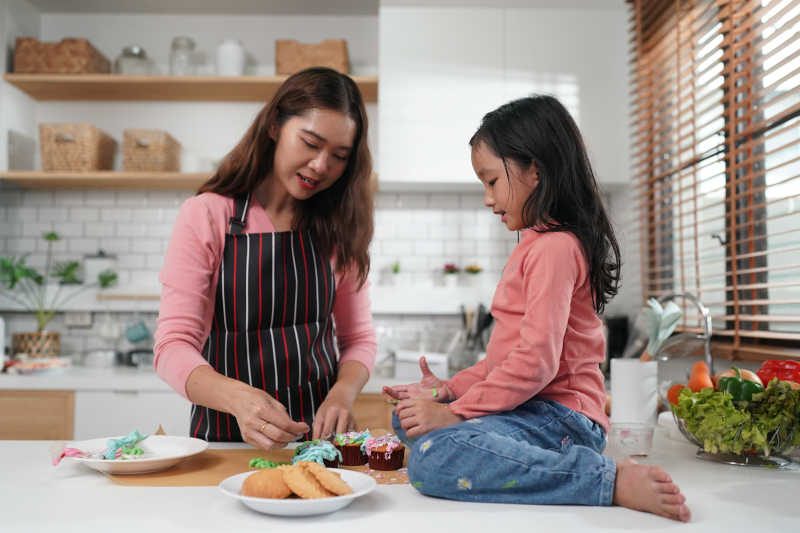
The relationship between a child and their parent or primary caregiver is one of the most important relationships they will ever have. Long before children learn about friendship, teamwork, romance, or trust, they learn these concepts through their interactions with the adults who care for them.

A strong parent-child bond gives children a sense of security, confidence, and belonging. It teaches them that they are valued, protected, and loved. This foundation influences nearly every aspect of their lives, including their emotional well-being, self-esteem, behavior, and future relationships.

Children naturally look to their parents for guidance as they grow and experience new challenges. They want to know they have a safe place to return to when life feels overwhelming. When children feel connected to their parents, they are more likely to communicate openly, make healthier choices, and develop resilience when facing adversity.

Building a strong relationship with your child doesn’t require perfection. There is no secret formula, and every family will encounter challenges along the way. What matters most is consistently showing up, being present, and making your relationship with your child a priority. When you invest time and effort into that connection, your child gains a foundation that can support them for a lifetime.

Here are several positive parenting strategies that can help strengthen the bond between you and your child.

Show Your Love Every Day

Human connection is a basic emotional need. From infancy through adulthood, affection plays a critical role in healthy emotional and neurological development.

Children thrive when they feel loved, accepted, and valued. Simple acts of affection such as hugs, a pat on the back, holding hands, or sitting close together can have a powerful impact. These moments communicate safety and reassurance in ways that words alone often cannot.

Look for opportunities throughout the day to connect with your child. Offer a warm smile when they enter the room, greet them enthusiastically after school, make eye contact during conversations, and celebrate their accomplishments—both big and small.

Never underestimate the power of a loving connection.

Say “I Love You” Often

Many parents assume their children already know they are loved. While that may be true, children still need to hear the words.

A simple “I love you” can provide comfort, reassurance, and emotional security. This is especially important during difficult moments when emotions are running high.

When your child makes a mistake, struggles in school, or displays challenging behavior, remind them that your love is not conditional. Let them know that while certain behaviors may need correction, your love for them never changes.

Hearing those three simple words regularly helps children develop confidence and strengthens the trust they have in their relationship with you.

Create Structure and Consistent Boundaries

Children feel safer when they understand what is expected of them. Clear rules, routines, and boundaries help them navigate the world with confidence.

Establish age-appropriate expectations and communicate them clearly. Explain why certain rules exist rather than simply demanding obedience. When children understand the purpose behind boundaries, they are more likely to respect them.

Consistency is equally important. When rules are broken, consequences should be fair, reasonable, and predictable. Consistent parenting helps children understand accountability while also creating an environment where they know what to expect.

Remember, boundaries are not barriers to connection. In many cases, they actually strengthen the parent-child relationship because they create security and trust.

Listen with Empathy

One of the greatest gifts you can give your child is your full attention.

Children want to feel heard. When they share their thoughts, concerns, fears, or excitement, listen without immediately interrupting, correcting, or offering solutions.

Try to understand what they are experiencing from their perspective. What may seem insignificant to an adult can feel overwhelming to a child or teenager.

You can strengthen communication by saying things like:

  • “That sounds really frustrating.”
  • “I can see why you’re upset.”
  • “Tell me more about what happened.”
  • “How can I help?”

When children feel understood, they are more likely to trust their parents and seek guidance during difficult times.

Make Time for Play

Play is much more than entertainment. It is one of the primary ways children learn about themselves and the world around them.

Through play, children develop creativity, communication skills, emotional awareness, problem-solving abilities, and social confidence. It also provides a wonderful opportunity for parents to connect with their children.

The activity itself is not nearly as important as your participation. Whether you’re building with blocks, playing catch, coloring, dancing in the living room, playing video games, or having a tea party with stuffed animals, your child values your involvement.

For children, quality time often looks like playtime.

Be Fully Present

In today’s fast-paced world, distractions are everywhere. Phones, emails, social media, television, and work responsibilities can easily consume our attention.

However, children notice when they have your undivided focus.

Even ten to fifteen minutes of uninterrupted one-on-one attention each day can make a meaningful difference. Put away your phone, turn off the television, and focus entirely on your child.

Ask questions. Listen carefully. Share stories. Laugh together.

These small moments accumulate over time and help build a lasting emotional connection.

Share Meals Together

Family meals provide a valuable opportunity for conversation, connection, and relationship-building.

When families regularly eat together, children often feel more connected and supported. Mealtime creates a natural setting for discussing daily experiences, celebrating successes, and working through challenges.

Encourage everyone to put away phones and electronic devices during meals so the focus remains on family interaction.

These gatherings don’t have to be elaborate. Whether it’s breakfast before school or dinner after work, spending time together around the table can become a meaningful family tradition.

Create Special Parent-Child Traditions

Every child wants to feel important and valued as an individual.

If you have multiple children, finding opportunities for one-on-one time can be especially meaningful. Individual attention helps children feel seen and appreciated while strengthening your unique relationship with them.

Consider creating special traditions that belong only to the two of you. These might include:

  • Weekly walks together
  • Saturday morning breakfast dates
  • Movie nights at home
  • Trips to the park
  • Reading a favorite book together
  • Working on a shared hobby

These rituals often become cherished memories that children carry with them long into adulthood.

Remember: Connection Matters More Than Perfection

No parent gets it right all the time. There will be mistakes, misunderstandings, and difficult days. What matters most is not being perfect—it’s being consistent, caring, and committed to the relationship.

Children don’t need perfect parents. They need parents who love them, listen to them, guide them, and continue showing up even when things are difficult.

The investment you make in your relationship today will influence your child’s confidence, emotional health, and future relationships for years to come.

Need Additional Support?

For more than 30 years, Alpha Connection has been helping children, teenagers, and families throughout the High Desert build stronger relationships and healthier futures. Through a variety of youth and family-focused programs, we provide guidance, support, and resources designed to help families thrive.

If you would like to learn more about our programs and services, we encourage you to contact Alpha Connection today. Together, we can help strengthen the bonds that matter most.


How To Deal with A Bully
News and Updates

How To Deal with A Bully

Once again, your typically studious daughter wakes up saying she does not feel good and refuses to go to school. Her grades have been dropping, and, for that matter, so has her weight. She has not been eating well, she spends her time hiding in her room, and she bursts into tears over everything. Yes, teen girls can be a little complicated, but sometimes it becomes more than that. Sadly, an increasing number of young people are dealing with bullying.

How You Can Help

The most crucial step is to get her to talk about what is going on. If you ask, “Is everything okay,” you will probably get the standard, “I’m fine.” Instead, dig a little deeper without any judgment, disappointment, or accusation. If she realizes you are a safe place to vent, she may be more open to you. Be specific by asking something like, “Is there something going on at school?”

Once you get her to talk, be sure to listen attentively. Let her vent and encourage her to get it out. Let her know she is not alone. Once she has had a chance to release those feelings, there are pieces of advice that may help.

Remind her that the reason for the bullying is to get a reaction, so make sure that is the last thing she will want to give them. Even if she is terrified, keep it inside and walk away. Do not let the bully see it.

Other Tips for Coping

There are other tips you can pass along to your daughter. She should avoid areas where the bullying takes place and block phone numbers and email addresses. Choose a group of loyal friends she can discuss the bullying with and stick close to. There is always power in numbers. As a last resort, if she must respond, do it with humor.

As her parent, consider discreetly telling a teacher at school about your daughter’s situation so they can keep an eye out. Do some research to put together a list of activities that will help build her confidence and open a new social circle.

Make sure your daughter knows beyond a doubt that she is important and loved, and the bully’s opinion is not reality. Make sure she has confidence and a support system. Research all the resources available in your area, and let us work together to stop bullying.

Teenage Anxiety Spotting the Signs and Offering Support
News and Updates

Teenage Anxiety Spotting the Signs and Offering Support

Physical, emotional, and mental turbulence characterize the adolescent stage of life. Many adolescents experience the onset of anxiety during this time, a normal reaction to the challenges and uncertainties of growing up. A certain amount of anxiety is normal, but excessive anxiety can be debilitating and have long-term consequences if left untreated. In this blog, we will discuss the symptoms of adolescent anxiety and offer support strategies for parents, teachers, and other caregivers.

Recognizing Teenage Anxiety

Anxiety in adolescents is more than occasional concern or stress over tests or social situations. It entails excessive fear or worry that persists for an extended period, interfering with a teenager’s daily life. It is essential to recognize the indicators of anxiety, which manifest in a variety of ways.

Frequent Indicators of Teenage Anxiety

  1. Anxiety is frequently accompanied by physical symptoms such as migraines, stomachaches, muscle tension, perspiration, and restlessness.
  2. Look for indicators of increased irritability, mood swings, excessive anxiety, and anger. Additionally, adolescents with anxiety may disengage from social activities or display perfectionism.
  3. Anxiety can disrupt sleep patterns, resulting in difficulty falling asleep or remaining unconscious. This can lead to chronic fatigue over time.
  4. Academic Difficulties: Anxiety may negatively affect a teen’s academic performance due to difficulty concentrating, excessive worry about grades, or dread of making mistakes.
  5. Anxious adolescents may withdraw from peers and social situations, resulting in social isolation. They may be excessively self-conscious and fearful of criticism or judgment.
  6. As a means of coping with emotional distress, some anxious adolescents may engage in self-injurious behaviors such as slashing or burning.
  7. In an effort to self-medicate and alleviate their anxiety, some adolescents resort to drugs or alcohol.

Offering Assistance

  1. Encourage nonjudgmental, frank communication with your adolescent. Inform them that you are available to listen and offer support whenever they are ready to speak.
  2. Inform Yourself: Educate yourself on anxiety disorders, their causes, and their treatment. Understanding the disorder will allow you to empathize with your adolescent.
  3. Consult a Mental Health Professional If you suspect that your adolescent is contending with anxiety, you should seek professional assistance. They can provide an accurate diagnosis and recommend an appropriate course of treatment, which may include therapy and, in some instances, medication.
  4. Encourage Healthy Habits: Promote a healthy lifestyle that includes regular exercise, a well-balanced diet, and adequate rest. These factors can have a significant impact on the mental health of adolescents.
  5. Help your adolescent develop coping strategies, such as deep breathing exercises, mindfulness, and journaling, to manage anxiety.
  6. Reduce Stressors: Work with your teenager to identify and reduce stressors in his or her existence. This may entail adjusting academic expectations, harmonizing extracurricular activities, and establishing a supportive home environment.
  7. Support Their Interests: Encourage your adolescent to pursue their interests and passions, which can serve as a valuable distraction and source of fulfillment.
  8. Encourage a Healthy Social Life: Assist your adolescent in forming and sustaining friendships. Social connections can serve as a formidable barrier against anxiety.

Anxiety in adolescents is prevalent and treatable. As parents, educators, and caregivers, it is our responsibility to recognize the warning signs, offer support, and encourage adolescents to seek professional assistance when necessary. We can empower adolescents to navigate the challenges of adolescence and develop resilience in the face of anxiety by encouraging open communication and promoting healthy practices. Remember that your understanding and support can make a significant impact in the life of a teenager.

Is Your Teenage Son Stressed?
News and Updates

Is Your Teenage Son Stressed?

It can be difficult to watch. When your son was younger, his fears were simpler—dentists, monsters, or being alone in the dark. Now he is still your child, but he is also becoming a young man, and his anxiety is more complex. As children move into their teenage years, anxiety often turns inward. Moodiness, irritability, and sudden emotional outbursts are common. Small comments can trigger strong reactions. This is a normal part of development, and with the right support, he will be okay.

Helping Teens Cope

The teenage years bring significant emotional, physical, and social changes as children move toward adulthood. Teens often worry about how they compare to others, especially their peers. Understanding this pressure is the first step in helping them manage it.

One of the most effective ways to help is to encourage your son to talk. Talking helps him organize the thoughts and emotions that may feel overwhelming. What matters most is having someone who listens without judgment.

When he shares his thoughts, he begins to make sense of his feelings. Careful listening allows you to better understand what he needs and how you can support him. Many teens find it easier to talk while doing something physical. Going for a walk together can help—fresh air and steady movement often make conversation feel more natural and less intense.

It is important to acknowledge his fears and anxiety. Even if the situation he worries about never occurs, the emotions he feels are real. Let him know you recognize his anxiety and believe in his ability to handle it. Respond with calmness, empathy, and reassurance. This helps him learn self-compassion and emotional resilience.

Encourage positive self-talk and remind him that asking for help is a strength, not a weakness. No one is meant to face life alone. Reassure him that anxiety is something many people experience and that support is always available. Healthy habits such as adequate sleep, balanced nutrition, physical activity, and mindfulness practices can also make a meaningful difference.

If anxiety persists for a long time or begins to interfere with daily functioning—such as school, relationships, or sleep—it may be appropriate to seek professional support from a school counselor, therapist, or psychologist. Above all, keep communication open. Helping your teen feel heard, understood, and supported reinforces that his feelings matter and that he is not facing them alone.

support during the holidays
News and Updates

Providing Support During the Holidays

While the holidays are undoubtedly pleasant for many, they can also cause problems for those in recovery. Not only do these celebrations often bring back reminders of times past, but the use of various substances during the holidays can make it hard for someone who has worked to get clean to stay that way. As a friend or family member, then, it is important to know how you can provide support during the holidays.

Don’t Leave Loved Ones Alone During the Holidays

For many, simply having a constant presence can work wonders. So don’t leave your loved one alone during the holidays, whether that means making sure that they have company during important events or simply checking in to have coffee from time to time. Isolation can be a significant issue during recovery, and those who find themselves struggling to connect are also those who might have the most prominent problems staying on the right path as the holidays come and go.

It’s also helpful to make sure that you provide safe alternatives for your friend or family member during his or her recovery. If the person in question is recovering from issues surrounding addiction, for example, you may want to avoid having parties in places that are closely tied to his or her addicted past. Likewise, simply being willing to stay sober during events can allow your friend or family member to feel like they are less alone.

The Importance of Time Management

Finally, make sure that your friend or family member isn’t using the holidays as an excuse to duck out of treatment. While business hours can change wildly during this time of year, make sure that you’re providing support to ensure that they can still get to therapy or attend meetings. Sometimes just being able to give someone a ride can be helpful.

Don’t be afraid to support a friend or family member who is going through recovery. Whether this means being present, providing stability, or just supporting the other person’s journey, you can do a great deal to help ensure that your friend or loved one has a better chance of making it through the holidays unscathed.

Opening Communication with Your Teen
News and Updates

Opening Communication with Your Teen

Many parents believe that at some point around the time their kids become teenagers, their kids become foreign creatures who act bizarre, dress strangely, and are impossible to communicate with. It is important for parents to have open communication. It is also important for teens to be able to express themselves and be heard. Communication is one of the most powerful tools teens can have in their arsenal. Here are some tips for getting them armed for the future.

Steps to Teaching Effective Communication

Listening is the first and more important key to good communication. We need to encourage them to talk and then listen with interest when they do. Let them finish their thought without interrupting. It is vital that they know we hear them. Teach them to listen as well. Do not just demand they listen. Explain active listening to them and why it is important for them to use in the future.

Teenagers need specifics. When talking about issues, discuss behavior, not personalities traits. Try to be logical and not judgmental. Let them know what they need to be doing, but also let them know why. Knowing the reason for behavior helps them to reason through behaviors in the future. Also, please take this opportunity to teach them skills for communicating with adults. Sometimes they feel we are a little foreign too. Help them understand we are on the same side and want the same things.

When things get a little heated, take a break. Teach your teenager it is okay for them to ask for a break if they are getting a little overwhelmed. Be patient and allow them to gather their thoughts, catch their breath, and process the conversation. Teach them to do this as well and let them know that when speaking to adults, sometimes we are a little slow and need time to process information as well.

Communication is a vital tool, and teaching your teen how to use it correctly will serve them well in their future endeavors. Learn how to talk to your teen with patience and respect and teach them these communication skills as well. It is important to talk calmly, using logic instead of emotion. It is important to listen effectively without interrupting and letting them know you hear them. It is vital to communicate, a good skill for you, and a good skill to teach your teen for the future.

How to Prepare for Counseling
News and Updates

How to Prepare for Counseling

Counseling can be an incredibly useful experience for those who are in the process of recovering from trauma or addiction. It can also be a useful process for anyone who is looking to sort through personal issues or who simply feels like they need help moving forward in their lives. With that said, it can be difficult to speak to a counselor for the first time, especially if you’re going in without outside supports. That’s why it’s vital to have a plan to prepare for your first counseling session.

Steps Toward Counseling

The first step to take is to think about the reason why you are attending counseling. For some, those reasons will be crystal clear from the first moment. For others, though, it will take a bit of digging to figure out why you are looking for help. It’s entirely appropriate to go to counseling simply because you’re not sure what else to do because you want to get your life on track, but it never hurts to spend a bit of time interrogating your reasoning for speaking with a counselor.

The next step is to prepare yourself for what an actual counseling session is like. While there are many depictions of counseling in media, most of them are quite inaccurate. It might be useful for you to call the counseling office to find out what to expect for your first session. In some cases, you’ll simply complete some minor intake paperwork and spend a bit of time on introductions. In other cases, you might get right to work. Knowing what comes next can calm your nerves and better prepare you for what comes next.

No matter what you do, you should also remember that meeting with a counselor is ultimately your choice. You have the power in this situation, so you are taking a positive step to improve your own life. If you are ready to speak with someone about the problems that you are encountering, you should give yourself credit for taking an action that will ultimately give you more options as to how you will move forward to a better future.

The Impact of Parenting Styles on Teenagers
News and Updates

The Impact of Parenting Styles on Teenagers

Parenting has a major impact on a child’s development, with consequences that extend to teenagers’ behavioral, emotional, and psychological well-being. The manner in which parents raise their children can provide the groundwork for their future interactions, coping methods, and overall attitude toward life. This blog explores the various parenting styles and their potential effects on teenage development.

The Four Main Parenting Styles

Diana Baumrind, a developmental psychologist, established three basic parenting styles in the 1960s; additional studies later enlarged this list to four. The styles are:

  • Authoritarian: This style is distinguished by a balance of strictness and tenderness. Authoritarian parents establish clear standards and boundaries while also catering to their children’s emotional needs. They promote independence while also upholding the standards they establish.
  • Authoritarian parenting is much stricter than authoritative parenting. Authoritarian parents set regulations and expect unquestioned obedience. Communication is primarily one-way: parent to child. There is little respect for the child’s thoughts or feelings.
  • Permissive (or indulgent) Parents are lenient. They enable significant self-regulation and prevent confrontation. These parents are often loving and communicative, but they offer little in terms of boundaries or punishment.
  • Neglectful (or Uninvolved) parenting is defined by a failure to respond to a child’s needs. These parents are disconnected from their child’s life and frequently fail to perform the basic tasks of caregiving.

Effects on Teenagers

Each parenting style has unique implications for teenage development:

  • Teenagers reared by authoritative parents tend to have high levels of self-esteem and independence. They tend to excel intellectually and socially, with fewer behavioral issues and greater resilience in challenging situations.
  • Teens with authoritarian parents may follow rules effectively, but they may also suffer from higher levels of melancholy and anxiety. They may also be more aggressive outside the house and have low self-esteem.
  • Permissive Parenting: While these teenagers may excel in social situations because to their high levels of self-expression, they frequently struggle with self-control and authority. Academic performance and commitment to obligations may be poor.
  • Neglectful parenting has the most negative consequences on teenagers. They may battle with attachment issues, low self-esteem, poor academic achievement, and frequent behavioural problems.

Navigating Parental Influence

Understanding the influence of various parenting styles might help parents make more educated decisions about how to raise their teenagers. It is critical for parents to strike a balance between encouraging independence and offering the guidance that adolescents require. Fostering open communication, setting realistic boundaries, and being sensitive to teens’ emotional and developmental needs are all essential components of successful parenting during these vital years.


Parenting practices have a significant impact on teenagers’ growth and eventual social standing. Parents may help their teenagers grow into well-rounded and effective adults by taking a balanced and responsive attitude throughout difficult times. Awareness and adaption to parenting styles can result in better, more successful consequences in a teen’s life.

Navigating Peer Pressure in Adolescence
News and Updates

Navigating Peer Pressure in Adolescence

Peer pressure is an often mentioned but occasionally misunderstood aspect of adolescent life. This phenomena has the potential to significantly influence adolescent behavior, choices, and identity. Peers have a significant impact on adolescents, whether they encourage dangerous or beneficial conduct.

What is peer pressure?

Peer pressure arises when a person feels obligated to follow the social norms set by their peers. For teenagers, this group often consists of friends, classmates, and acquaintances of their age. The urge to fit in and be accepted is a strong incentive throughout these early years.

Positive versus Negative Peer Pressure

It’s critical to understand that peer pressure can take both positive and bad forms. Positive peer pressure entails persuading peers to participate in good activities such as learning, sports, or community service projects. Negative peer pressure, on the other hand, can lead to youth participating in dangerous behaviors such as skipping school, using drugs, or bullying.

Effects of Negative Peer Pressure

Negative peer pressure has far-reaching and potentially serious repercussions. Adolescents may engage in actions that contradict their ideals or family expectations, resulting in internal conflict and stress. In extreme circumstances, giving in to negative peer pressure can result in behavioral disorders and even legal problems.

Strategies for Combating Negative Peer Pressure

  • Education and awareness: Teaching kids about the consequences of peer pressure and assisting them in recognizing it in their life can enable them to make autonomous decisions.
  • Strong Support Systems: A supportive family environment and a dependable network of friends can give teenagers the courage to resist bad influences and make decisions that reflect their genuine selves.
  • Self-Esteem Promotion: Helping youth develop self-confidence and self-awareness allows them to be less reliant on the praise of their peers.
  • Encourage Open Communication: Parents and educators should create an environment in which teenagers feel comfortable addressing their concerns and pressures without fear of being judged or punished.
  • Adults can model constructive behavior and decision-making in their interactions, showing teenagers that it is possible to act autonomously while still earning respect.


Peer pressure has an evident impact on teen behavior, influencing both their daily actions and their overall course in life. By understanding the dynamics of peer influence and actively supporting our youngsters, we can help them traverse these difficult years more successfully. It is about providing direction that aligns with their ideals and strengthens their ability to resist negative pressures. By doing so, we not only assist kids develop into well-rounded individuals, but also prepare them for the complexity of adulthood.

Guiding Teens Through Peer Pressure and Friendships
News and Updates

Guiding Teens Through Peer Pressure and Friendships

Navigating the adolescent years can be a hard and difficult path, not only for teenagers but also for their parents. Peer pressure and the desire for social belonging are important factors in youths’ quests to find their place and build their identity. Here, we look at how to help teenagers manage peer pressure, form good friendships, and maintain strong social ties.

Understanding Peer Pressure

Peer pressure is a major influence in a teenager’s life, frequently influencing their choices and behaviors. It can be constructive, encouraging good habits and healthy activities, but it can also be negative, driving youth toward dangerous actions or inauthentic self-expression. Understanding the nature of peer pressure is the first step that parents can take to assist their adolescents handle it successfully.

Open Communication

Fostering a climate of open communication is critical. Encourage your teen to discuss their daily experiences, feelings, and concerns without fear of being judged or facing instant punishments. This open communication allows people to express situations where they feel pushed or conflicted.

Role Modeling and Discussion

Parents can be powerful role models. Demonstrating how to deal with pressure and make independent decisions provides a genuine example for kids to follow. Discussions regarding personal experiences with peer pressure, both past and present, can help youth understand the problem and develop solutions for dealing with similar situations.

Building Confidence

Confidence is a teenager’s strongest defense against negative peer pressure. Parents can help their teenagers’ self-esteem by praising their accomplishments, honoring their distinctive characteristics, and encouraging their interests. Teens who are confident in themselves are more likely to make the right decisions, regardless of external influences.

Choosing the Right Friends

It is critical that you help your teenager understand the importance of positive friendships. Encourage them to seek out and develop relationships with peers who share their beliefs and inspire them to be their best selves. Teach them how to spot toxic dynamics and gracefully leave bad relationships.

Decision-Making Skills

Teaching kids how to make independent decisions will prepare them to deal with peer pressure productively. This includes recognizing the repercussions of their choices, exploring alternatives, and learning to say no when required. Role-playing various scenarios at home can be an excellent technique to improve these abilities.

Support Systems

Establishing a larger support structure can also mitigate the effects of peer pressure. This includes family members, coaches, mentors, and teachers who can offer advice and support when teenagers experience social issues.

Encourage Group Activities

Participation in structured activities, such as sports teams, music groups, or organizations, can create a positive peer group. These circumstances promote teamwork and common goals, which might mitigate the harmful effects of peer pressure.

Monitoring and guidance

While independence is crucial, so is proper oversight. Know where your teen spends their time, who they are with, and what activities they participate in. This isn’t about severe surveillance; it’s about being a supporting and knowing presence in their life.

Handling Mistakes

Finally, it is critical to handle errors with care. If a kid succumbs to peer pressure, it should not be a cause for harsh punishment, but rather an opportunity for learning and growth. Discuss what happened, why it happened, and what you could do differently next time.

By understanding and addressing the complexities of peer pressure and social interactions, parents may help their teenagers form healthy, good, and affirming friendships and social connections. This not only benefits them during their early years, but also establishes a basis for effective social connections throughout their life.